

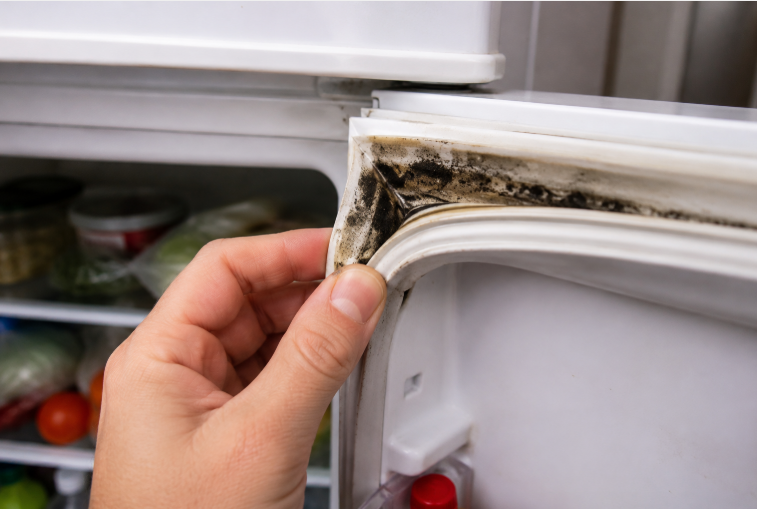
How to Clean Black Mold on a Refrigerator Gasket (What Actually Works) 😍🧅🍴 𝗙𝗨𝗟𝗟 𝗥𝗘𝗖𝗜𝗣𝗘 𝗕𝗘𝗟𝗢𝗪 👇
Most people clean their refrigerator shelves regularly.
Spilled juice gets wiped away. Expired food gets thrown out. Containers are reorganized every few weeks. But there is one part of the refrigerator that many people completely overlook — and it may quietly collect mold, moisture, and bacteria over time.
That hidden area is the refrigerator gasket.
The gasket is the flexible rubber seal that runs around the refrigerator door. Its job seems simple: keep cold air inside and warm air outside. But because it constantly traps condensation, crumbs, grease, and humidity, it can easily become one of the dirtiest places in the kitchen if ignored for too long.
For many households, mold starts slowly.
A few tiny dark spots appear inside the folds of the rubber seal. Then a musty odor develops. Over time, the buildup spreads deeper into the creases where ordinary wiping cannot easily reach.
The good news is that cleaning refrigerator gasket mold is usually manageable with the right approach and consistent maintenance.
Why Refrigerator Door Seals Attract Mold So Easily
Refrigerator gaskets create nearly perfect conditions for mold growth.
Inside the folds of the rubber seal, moisture often becomes trapped after the door opens and closes throughout the day. Tiny food particles, dust, grease, and kitchen humidity add even more buildup over time.
Because the area is dark, damp, and poorly ventilated, mold spores can multiply surprisingly fast.
Many people do not notice the problem immediately because the deepest folds of the gasket are difficult to inspect unless pulled apart carefully.
That is one reason refrigerator mold often becomes more serious before people realize it is there.
Why Basic Wiping Usually Isn’t Enough
One of the biggest mistakes people make is cleaning only the visible outer surface of the gasket.
The inner folds often hold hidden moisture and debris beneath the surface. Even after wiping the door seal quickly, mold can continue growing inside the deeper creases where bacteria and mildew remain trapped.
This is why many people feel frustrated when dark spots return only a few weeks after cleaning.
Without reaching inside the folds properly and drying the gasket completely afterward, mold growth often comes back.
Is Black Mold on Refrigerator Seals Dangerous?
Not every dark-colored mold is considered highly toxic, but experts still recommend taking mold growth seriously inside food-storage areas.
Mold buildup may contribute to:
- unpleasant smells
- allergy irritation
- sneezing
- coughing
- respiratory discomfort
- unsanitary conditions around food
Even mild mold can make a refrigerator feel dirty and unhygienic over time.
That is why regular inspection and cleaning matter more than many people realize.
What Actually Helps Remove Mold Safely
Fortunately, effective cleaning usually does not require expensive specialty products.
Many common household items can work surprisingly well when used carefully and consistently.
1. Start With Warm Water and Mild Soap
Before targeting mold directly, experts recommend removing grease and surface dirt first.
Using warm water mixed with mild dish soap helps loosen debris trapped inside the folds of the gasket. A microfiber cloth or soft brush usually works best because abrasive tools can damage the rubber over time.
Pay special attention to:
- corners
- bottom edges
- rubber folds
- areas near handles
Cleaning the surface first allows deeper mold treatment to work more effectively afterward.
2. White Vinegar Often Works Better Than Harsh Chemicals
White vinegar remains one of the most popular natural cleaning solutions for refrigerator gaskets because its acidity can help reduce mold and odors without damaging the rubber as aggressively as bleach sometimes can.
Many people spray vinegar directly onto affected areas, allow it to sit briefly, then scrub gently using a soft toothbrush.
Experts often prefer vinegar for routine cleaning because it is:
- affordable
- widely available
- less harsh on rubber seals
- effective against mild mold growth
3. Baking Soda Helps With Odors and Stains
For stubborn areas, baking soda can provide gentle scrubbing power without scratching the gasket.
A simple paste made from baking soda and water may help lift stains while also reducing lingering odors.
Unlike aggressive chemical cleaners, baking soda is usually safe for repeated use around food-storage areas when cleaned properly afterward.
4. Drying the Gasket Completely Is Critical
This is the step many people overlook.
Even after successful cleaning, leftover moisture inside the folds can quickly allow mold to return. Experts recommend drying the gasket thoroughly using microfiber cloths and leaving the refrigerator door open briefly when possible.
Some homeowners even use a fan to speed up drying in humid kitchens.
Why Mold Often Returns So Quickly
People are often surprised when refrigerator mold reappears shortly after cleaning.
Common causes include:
- trapped moisture
- incomplete cleaning
- kitchen humidity
- poor airflow
- damaged door seals
- food residue left inside folds
In some cases, older gaskets may develop cracks or deep internal contamination that make cleaning much harder.
If the rubber becomes brittle, loose, or permanently stained, replacement may eventually become necessary.
Small Habits That Help Prevent Future Mold
Fortunately, preventing severe buildup is usually much easier than removing heavy mold later.
Experts recommend:
- wiping the gasket weekly
- drying condensation quickly
- checking folds regularly
- avoiding overstuffed refrigerators
- improving kitchen ventilation
These simple habits help reduce moisture buildup before mold has time to spread.
Why Refrigerator Hygiene Matters More Than People Think
Refrigerators store food used daily by families, which means cleanliness affects more than appearance alone.
Neglected seals may eventually contribute to:
- unpleasant odors
- bacteria buildup
- poor appliance efficiency
- higher energy use
- food contamination risks
A damaged gasket can even force the refrigerator compressor to work harder because cold air escapes more easily.
That is why routine maintenance can help both hygiene and appliance lifespan.
The Part Most People Forget to Check
One reason refrigerator gaskets become so dirty is simply because they are easy to ignore.
The folds blend into the door. Mold develops gradually. Most cleaning routines focus on shelves, drawers, and visible spills instead.
Unfortunately, hidden areas often become the dirtiest places over time precisely because they are forgotten.
And by the time people notice the odor or dark buildup, the mold may already be deep inside the seal.
Final Thoughts
Mold on refrigerator gaskets is far more common than many households realize.
Fortunately, regular maintenance, gentle cleaning methods, and proper drying can usually keep the problem under control without harsh chemicals or expensive products.
The most important habit is consistency.
Small weekly cleaning routines are far easier than dealing with severe mold buildup months later.
And sometimes, the dirtiest part of the refrigerator is not the shelves people see every day — but the hidden rubber seal quietly trapping moisture around the door.