

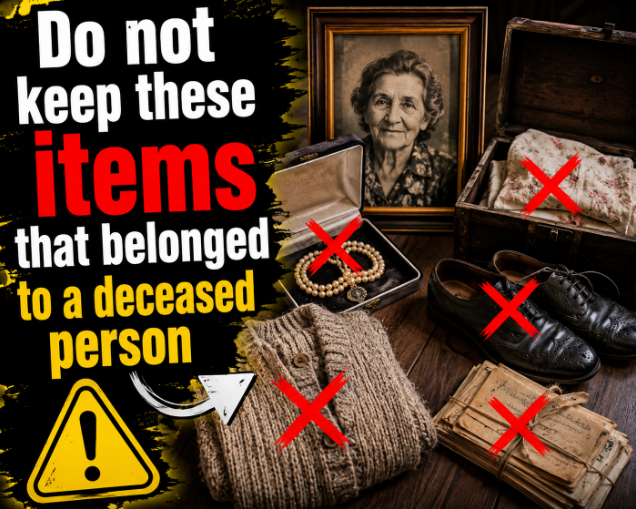
When a loved one passes away, families are often left with more than memories. Clothes, jewelry, furniture, photographs, and personal items suddenly become deeply emotional objects connected to someone who is no longer there.
For some people, keeping those belongings brings comfort and helps preserve memories. But others believe certain items can carry emotional energy, painful memories, or feelings that make it difficult to move forward.
Across different cultures and generations, many people have long believed there are specific belongings that should not remain in the home after someone dies.
Whether viewed as emotional, psychological, spiritual, or simply personal, the topic continues sparking strong reactions online.
Why Personal Belongings Can Feel Emotionally Heavy
Objects connected to loved ones often carry powerful emotional meaning.
A jacket hanging in the closet.
A favorite chair sitting untouched.
A pair of glasses still resting on a nightstand.
For many families, these items become emotional reminders that make grief feel even more intense.
Psychologists explain that certain belongings can keep people emotionally attached to painful moments, especially during the early stages of loss. Every object can trigger memories, emotions, and routines connected to the person who passed away.
That emotional connection is one reason families often struggle when deciding what to keep and what to let go.
Some Cultures Believe Objects Carry Energy
In many traditions around the world, people believe personal belongings absorb emotional or spiritual energy over time.
Certain cultures recommend cleaning, donating, or removing specific items after death because they believe objects connected to grief, illness, or emotional suffering can affect the atmosphere of a home.
Some spiritual beliefs suggest mirrors, beds, clothing, or jewelry belonging to the deceased should not remain untouched for long periods.
Others believe holding onto everything can prevent emotional healing for surviving family members.
While not everyone shares these beliefs, the traditions remain common in many households today.
Items People Commonly Struggle to Keep
One of the hardest parts of loss is deciding what to do with deeply personal belongings.
Some items are especially emotional because they were used every day.
These often include:
- clothing
- wedding rings
- handwritten notes
- eyeglasses
- favorite blankets
- personal electronics
- perfumes or colognes
- bedroom furniture
Even simple objects can suddenly carry overwhelming emotional weight after someone is gone.
Many people online describe opening closets months later and still feeling emotional just seeing familiar items untouched.
Social Media Has Made These Conversations More Common
In recent years, social media platforms like TikTok, Facebook, and Reddit have become filled with emotional discussions about grief and personal belongings after death.
Millions of people now openly share stories about the hardest objects to throw away, items they regret keeping, or belongings they believe carried emotional energy inside their homes.
Some viral videos even discuss “haunted” objects or strange experiences connected to inherited belongings, although many experts believe grief itself can intensify emotional perception during difficult times.
Still, the conversations continue attracting huge attention online because nearly everyone experiences loss at some point in life.
Experts Say There Is No Perfect Answer
Grief counselors often explain that there is no universal rule for what families should keep or remove after someone passes away.
For some people, preserving personal belongings brings comfort and helps maintain emotional connection. For others, letting go becomes an important step toward healing.
Experts generally recommend avoiding pressure or rushed decisions during periods of intense grief.
Some families keep only a few meaningful items while donating the rest. Others preserve entire rooms exactly as they were for months or even years.
Every situation is different because every relationship is different.
Why the Topic Feels So Emotional
Few things are harder than deciding what happens to someone’s belongings after they are gone.
Objects that once seemed ordinary suddenly become filled with meaning. A sweater becomes a memory. A watch becomes a reminder of someone’s voice, habits, or presence inside the home.
That emotional transformation is why these decisions often feel incredibly personal.
For many people, the real struggle is not about the object itself.
It is about accepting that the person connected to it is no longer there.
Moving Forward While Preserving Memories
Over time, many families discover that healing does not require forgetting.
Some belongings become treasured keepsakes passed down through generations. Others are donated so they can continue helping people in need.
In the end, what matters most is finding a balance between honoring memories and allowing emotional healing to happen naturally.
Because sometimes the most important things people leave behind are not objects at all.
They are the memories attached to them.